12th Class Pak Study Book PDF – Complete Guide & Download LinkS
The 12th Class Pakistan Studies Book holds great importance in the intermediate curriculum as it helps students understand the historical, political, cultural, and ideological foundations of Pakistan. It is not just a textbook—it is a journey through the making, struggles, achievements, and future goals of our beloved homeland. Designed by the Punjab Textbook Board and other provincial boards, this book aims to instill national awareness, patriotism, and civic responsibility among students.
Pakistan Studies at the 12th-grade level is more than a subject; it is a means of connecting young learners with their country’s roots and identity. It develops a sense of belonging and pride while emphasizing the duties of citizens in building a prosperous and peaceful society.
Purpose and Importance of the 12th Class Pak Studies Book
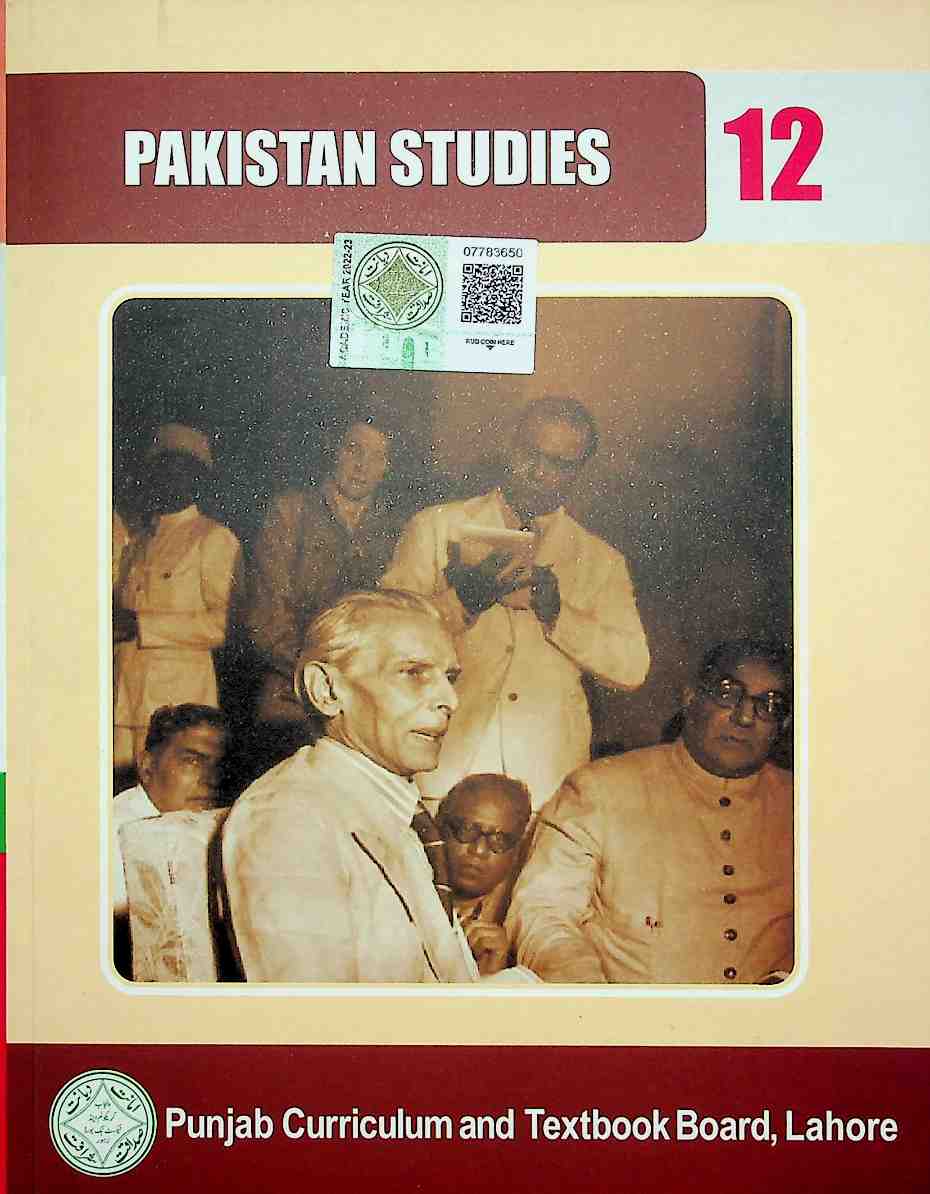
The 12th Class Pak Studies Book plays a vital role in shaping students’ understanding of Pakistan’s ideology, its political evolution, and its social structure. The purpose of this subject is to make students aware of the sacrifices made for the country’s independence and the values that form the foundation of the Pakistani nation.
This book also emphasizes the importance of unity, faith, and discipline—principles given by Quaid-e-Azam Muhammad Ali Jinnah, the founder of Pakistan. It highlights the challenges faced by the country and the strategies needed to overcome them through education, hard work, and national solidarity.
Through this book, students learn about:
-
The ideological basis of Pakistan.
-
The historical background leading to independence in 1947.
-
The constitutional and political development of the country.
-
The social, economic, and cultural aspects of national life.
-
Pakistan’s relations with other countries and its role in the international community.
Overview of the Contents
The 12th Class Pak Studies Book is divided into several chapters, each focusing on a significant area of Pakistan’s history, governance, and development. Some of the key topics covered include:
-
Ideology of Pakistan:
This chapter explains the Two-Nation Theory, which served as the foundation of Pakistan’s creation. It discusses the cultural, religious, and political differences between Muslims and Hindus that led to the demand for a separate homeland. -
Creation of Pakistan:
It provides a detailed account of the Pakistan Movement, the role of Muslim leaders, and the tireless efforts of Quaid-e-Azam, Allama Iqbal, and other prominent figures who played crucial roles in achieving independence. -
Constitutional Development:
This section focuses on the constitutional progress of Pakistan, including the Constitutions of 1956, 1962, and 1973. Students learn about the structure of government, the division of powers, and the functioning of democracy in Pakistan. -
Governance and Public Administration:
This chapter discusses the working of political institutions, local government, and the challenges faced in establishing good governance and accountability. It also highlights the importance of transparency, justice, and civic participation. -
Economic Development:
The book sheds light on Pakistan’s economic progress, industrialization, agriculture, and foreign trade. It encourages students to understand the role of economic stability in national growth and prosperity. -
Geography and Natural Resources:
Pakistan’s natural beauty and geographical diversity are explained in this section. It discusses the country’s topography, rivers, minerals, and climate, as well as how these resources contribute to the economy. -
Foreign Relations:
The final chapters explore Pakistan’s relations with neighboring countries, the Muslim world, and international organizations. It also discusses the importance of diplomacy and peace in maintaining global stability.
Learning Outcomes
By studying the 12th Class Pakistan Studies Book, students gain a deep understanding of:
-
The historical journey of Pakistan from independence to present.
-
The importance of unity, democracy, and social justice.
-
The role of leadership and public participation in national progress.
-
The significance of maintaining peace, tolerance, and mutual respect among citizens.
-
The challenges Pakistan faces today and how young people can contribute to overcoming them.
This subject strengthens the students’ sense of national identity and encourages them to play a positive role in society. It helps develop a patriotic mindset balanced with awareness of global realities.
Educational and Moral Significance
The 12th Class Pak Studies Book not only provides historical and political knowledge but also promotes moral and ethical values. It teaches students to respect diversity, uphold justice, and work collectively for the nation’s prosperity.
Moreover, it develops an understanding of democratic values, human rights, and citizenship responsibilities. Students learn the importance of education, tolerance, and unity in overcoming the challenges of extremism, corruption, and poverty.
The book inspires youth to contribute positively toward national development by following the ideals of Pakistan’s founders. It encourages a spirit of service, leadership, and responsibility among the younger generation.
Conclusion
In conclusion, the 12th Class Pakistan Studies Book is not just a subject of memorization; it is a reflection of our national spirit, history, and aspirations. It connects students with the roots of their identity and guides them toward becoming informed and responsible citizens.
By understanding the struggles and achievements of Pakistan, students gain appreciation for their homeland and the values it represents. The book reminds us that the future of Pakistan lies in the hands of educated, honest, and dedicated youth who are ready to serve their nation with sincerity and pride.
The 12th Class Pak Studies Book is therefore more than an academic text—it is a roadmap for building a better Pakistan through knowledge, unity, and purpose.