12th Class Urdu Book PDF – Complete Guide & Download Links
The 12th Class Urdu Book is one of the most profound and intellectually enriching textbooks in the intermediate curriculum of Pakistan. At this stage, Urdu is not just a subject—it becomes a reflection of thought, culture, and national identity. The 12th Class Urdu Book, designed by the Punjab Textbook Board and other provincial boards, introduces students to the deeper and more refined aspects of Urdu literature, including classical poetry, modern prose, essays, and short stories.
It aims to enhance not only the linguistic abilities of students but also their critical thinking, cultural understanding, and appreciation of the beauty and depth of Urdu literature. This book plays a vital role in connecting young minds to the literary, moral, and philosophical heritage of the Urdu language.
Purpose and Importance of the 12th Class Urdu Book
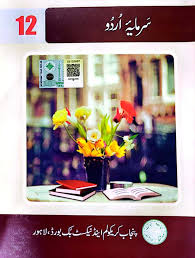
The 12th Class Urdu Book holds a central place in the academic and intellectual development of students. It is designed to elevate their understanding of language beyond basic grammar and vocabulary, encouraging them to engage with complex ideas, emotions, and social realities expressed through Urdu literature.
The book serves multiple purposes:
-
Language Proficiency: It helps students achieve mastery in reading, writing, and understanding Urdu with clarity and eloquence.
-
Cultural Connection: Through poetry and prose, students learn about the historical, spiritual, and philosophical foundations of Pakistani culture.
-
Moral Development: The lessons contained in the book encourage honesty, humility, patriotism, and respect for human values.
-
Analytical Thinking: Students are trained to analyze themes, characters, and literary techniques critically, preparing them for higher education and intellectual discussions.
The Urdu book at this level is not only a tool for examination success—it is an opportunity to discover the richness of Urdu as a medium of expression and thought.
Overview of the Contents
The 12th Class Urdu Book is carefully structured to include both prose (nasr) and poetry (nazm o ghazal) sections, along with grammar and comprehension exercises. Each part has been thoughtfully selected to expose students to a wide range of literary styles, emotions, and ideas.
-
Prose (نثر):
The prose section includes essays, articles, and short stories written by some of the most prominent Urdu writers and thinkers. These pieces often reflect social, political, and moral issues relevant to our times. The authors use powerful language and thought-provoking themes to encourage students to reflect on human behavior, ethics, and the meaning of life.Through these essays, students explore various dimensions of Urdu prose—ranging from humor and philosophy to social criticism and patriotism.
-
Poetry (شاعری):
The poetry section is perhaps the heart of the 12th Class Urdu Book. It features the timeless works of renowned poets such as Mirza Ghalib, Allama Iqbal, Faiz Ahmed Faiz, Nasir Kazmi, and Ahmad Nadeem Qasmi. These poems highlight themes like love, faith, self-awareness, freedom, and humanity.Poetry helps students connect emotionally and spiritually with the language. The rhythm, imagery, and symbolism used by these poets inspire imagination and develop aesthetic appreciation. Moreover, Iqbal’s philosophical verses, in particular, motivate students toward self-discovery and action.
-
Grammar and Linguistic Skills (قواعد):
The grammar section aims to strengthen students’ command of the Urdu language. It includes lessons on sentence structure, idioms, and essay writing, ensuring that students can express themselves fluently and correctly. These exercises prepare them for board examinations as well as real-world communication. -
Comprehension and Analysis:
Each lesson is followed by exercises that test comprehension, vocabulary, and literary analysis. This approach ensures that students not only read but also interpret and appreciate the text on a deeper level.
Learning Outcomes
By the end of the course, the 12th Class Urdu Book enables students to:
-
Develop strong reading and writing skills in Urdu.
-
Appreciate classical and modern Urdu literature.
-
Analyze literary texts critically and creatively.
-
Understand moral, social, and national values.
-
Strengthen their ability to express thoughts clearly and beautifully.
The book shapes students into individuals who can understand and contribute to the intellectual and cultural discourse of society. It also instills a sense of pride in the Urdu language and its vast literary tradition.
Cultural and Educational Relevance
In today’s fast-changing world, where technology and foreign languages dominate communication, the 12th Class Urdu Book reminds students of their linguistic and cultural identity. Urdu is not merely a means of communication—it is a symbol of unity, emotion, and art.
The literature included in this book exposes students to universal themes like love, justice, faith, and humanity—values that remain timeless. It strengthens their connection with the teachings of great poets and thinkers who have shaped the moral and intellectual foundation of our society. Moreover, the book prepares students for advanced studies in literature, journalism, and communication, making it both culturally and academically relevant.
Conclusion
In conclusion, the 12th Class Urdu Book is much more than a textbook—it is a journey through the heart of Urdu literature. It helps students explore the richness of thought, emotion, and imagination that defines the Urdu language. Each story, essay, and poem serves as a mirror reflecting society, humanity, and the individual’s inner world.
By studying this book, students gain not only linguistic fluency but also moral wisdom, cultural awareness, and aesthetic sensitivity. The 12th Class Urdu Book nurtures intellectual curiosity, inspires creativity, and strengthens the emotional connection between students and their national language.
It is indeed a treasure of knowledge and inspiration—one that guides young learners to appreciate their roots, express their ideas eloquently, and contribute positively to society. In every sense, this book stands as a cornerstone of both education and culture in Pakistan’s intermediate curriculum.